01
Adventure Picaresque Fiction
Stories of childhood, exploration, resilience and imaginative adventure represented across the current public-domain collection.

Independent digital catalogue
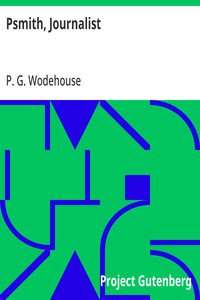
This library gathers 100 public-domain titles, mostly humor and satire from the 18th to early 20th centuries. The books are grouped into four overlapping categories—Adventure Picaresque Fiction, Fantasy Juvenile Worlds, Science Fiction Utopias, and Historical Psychological Social Fiction—so you can browse by subject or genre. Each record gives you the author's dates, keywords, a note on who might enjoy it, and a catalogue note explaining the work's context. Since all texts come from Project Gutenberg, you can download them free. If you're new, try starting with P. G. Wodehouse's Psmith, Journalist for witty banter, or explore parody through Rejected Addresses.
Subject gateways
Browse the library by theme, time period, or the kind of material you're interested in.
Stories of childhood, exploration, resilience and imaginative adventure represented across the current public-domain collection.
A focused group of public-domain works connected by subject, literary setting and recurring questions.
Works exploring technology, imagined futures, discovery and speculative changes in society and everyday life.
Texts connected with historical lives, social customs, institutions and the worlds in which people lived.
A closer look
One work and three nearby readings from the current catalogue.
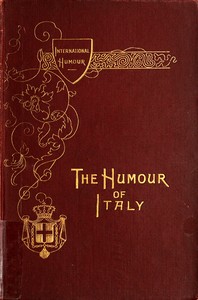
Authored by Authors: Werner, Alice, 1859-1935 ..., 'The humour of Italy — Key Ideas ...' stands as a notable and significant work within the Science Fiction Utopias category. A collection of Italian humorous tales and poems translated by Alice Werner, featuring works by Boccaccio, Machiavelli, Cellini, and others, with illustrations by Arturo Faldi. The excerpts show a focus on social comedy, verbal wit, and character-driven anecdotes. Explore the nuanced perspectives and historical context offered in this document.
View catalogue record
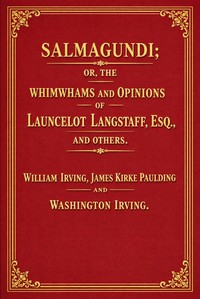
Routes through the collection
Four routes into the collection for readers approaching the catalogue with different questions.
Record framework
A note on how catalogue entries are presented and linked, and why the underlying source texts are kept as they are.
Connect each catalogue entry to the digital files and reference resources that are included in the current release.
Show clear title, author, and edition details so you can spot the right edition at a glance.
Sort the works according to recurring themes, literary settings, and the historical questions they engage with.
Show how different records relate to one another, while keeping the original wording of the source texts unchanged.
About these records
How the collection is organized, presented and corrected.
It generally means that the represented source text is no longer protected by copyright in the applicable jurisdiction or has been released for public use. Status may vary by country and edition.
A record may include the title, author, category, cover, description, edition information, source references and available reading or download options.
A category reflects a work’s principal subjects, literary setting, source type and relationship to nearby records in the collection.
The catalogue adds navigation, metadata and editorial context. The represented source text retains its wording, edition information and rights status.
Use the contact page and include the work title, page address and the exact attribution, category, metadata or source detail requiring attention.
Catalogue stewardship
Catalogue information
The digital library at UJAYU is organized under UJAYU Catalogue categories, with 100 books and 119 authors available for reading.