
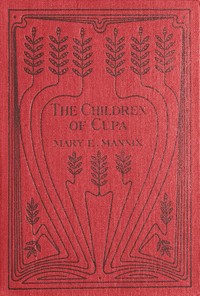
The Children of Cupa by Mary Ellen Mannix
I picked up 'The Children of Cupa' expecting a dry historical account, but Mary Ellen Mannix gives us something much more intimate. Published in 1912, it feels less like a lecture and more like a careful, sorrowful recording of a crime scene—the crime being the destruction of a home.
The Story
The book centers on the Cupa (or Cupeño) people, who lived for centuries in a lush valley in Southern California they called Cupa, now known as Warner's Hot Springs. Their life there is described with simple affection—the hot springs, the orchards, the routines of a community deeply tied to a specific place. Then, the outside world arrives in the form of American settlers and legal claims. A court case decides the land isn't theirs, and the entire village is ordered to leave. We follow them on their forced, sixty-mile walk to a new reservation in Pala. Mannix doesn't sensationalize; she shows the quiet devastation of packing up ancestral homes, leaving behind gardens and graves, and starting over on unfamiliar, barren ground.
Why You Should Read It
What got me was the calm, devastating clarity of it. Mannix, writing from her own time, doesn't use modern political language. Instead, she uses plain facts and observations to build an undeniable case of wrongness. You see the government's cold bureaucracy clash with the people's deep, spiritual connection to their land. The strength of the Cupa people isn't in dramatic rebellion, but in their dignified endurance and their struggle to maintain community even as their physical world is shattered. It makes you think about what 'home' really means, and how easily a dominant culture can erase another by simply refusing to see its value.
Final Verdict
This is a must-read for anyone interested in the real, human stories behind American history, especially of the West. It's perfect for readers who enjoy narratives of resilience, like Laura Ingalls Wilder's books but from the other side of the frontier. It's also a short, powerful read for anyone who believes history isn't just about dates and laws, but about people and the dirt under their feet. Be prepared—it's not a feel-good adventure, but it is an important, moving glimpse into a lost world that deserves to be remembered.
This digital edition is based on a public domain text. It serves as a testament to our shared literary heritage.
Patricia Rodriguez
1 year agoBeautifully written.
Noah Allen
4 months agoJust what I was looking for.







Melissa White
1 year agoCompatible with my e-reader, thanks.