
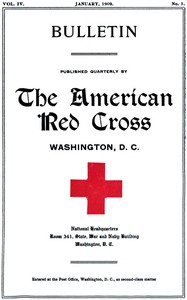
The American Red Cross Bulletin (Vol. IV, No. 1, January 1909)
Let's be clear: this isn't a book with a plot in the traditional sense. The American Red Cross Bulletin from January 1909 is a primary source document, a collection of reports, letters, and updates straight from the field. It reads like the internal newsletter of an organization that's just survived a very busy year.
The Story
The 'story' is the work. The bulletin covers the aftermath of the 1908 Messina earthquake in Italy, a colossal tragedy that killed over 100,000 people. You get the Red Cross's direct account of rushing aid overseas. Then it swings back home to domestic issues: fighting tuberculosis, setting up first aid stations for industrial accidents, and managing local relief efforts. It's a ledger of crises, big and small, and the very human attempt to respond to them. There are lists of donations, summaries of meetings, and dry administrative details that suddenly become gripping because they're about life and death.
Why You Should Read It
I loved it for its stark honesty and lack of polish. There's no PR spin here, just the grinding work of logistics and compassion. You feel the scale of the Messina disaster not through dramatic prose, but through terse telegrams about shipping supplies. You see the early, earnest fight against TB through public health pamphlets. It strips away a century of hindsight and lets you sit with the problems as they were understood then. It makes history feel immediate and tangible. This isn't a historian telling you what happened; it's the people who were there, telling each other.
Final Verdict
This is a niche read, but a powerful one. It's perfect for history buffs, nonprofit workers, or anyone curious about the roots of modern aid organizations. If you enjoy sifting through archives or love primary sources that let you draw your own conclusions, you'll find this bulletin incredibly rewarding. It's not a leisurely read—it's a piece of evidence. But for the right reader, it's a direct conversation with the past, and a surprisingly moving look at the enduring effort to help when things fall apart.
This book is widely considered to be in the public domain. Use this text in your own projects freely.



Kimberly Thompson
1 year agoFrom a researcher's perspective, the clarity of the writing makes even the most dense sections readable. I'll be recommending this to my students and colleagues alike.