
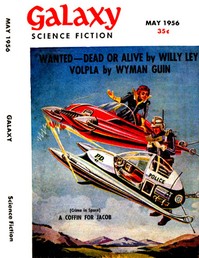
Volpla by Wyman Guin
So, here's the deal with Volpla. It starts with a classic sci-fi setup: a crew in suspended animation wakes up after a global catastrophe. But Guin immediately swerves away from the expected survival story. The catastrophe was a plague, but the real story is what came next.
The Story
The survivors find a new society that's managed to rebuild, but it's built on a strange and frightening power. People can now consciously control their skin pigmentation, changing color like a mood ring made of flesh. Instead of this becoming a symbol of freedom or unity, it's been codified into a brutal hierarchy. Your assigned, unchanging color dictates your entire life—your job, your status, your worth. The returning scientists, with their natural, 'fixed' skin, are seen as bizarre relics, and they have to navigate this color-obsessed world to understand what happened and find their place in it. The central mystery isn't 'what caused the plague,' but 'how did we build *this* from its ruins?'
Why You Should Read It
What grabbed me was how Guin uses this wild concept to talk about real, human problems. He's not just world-building for the sake of it. The color-caste system is a direct, powerful metaphor for racism and social stratification. It makes you think: if we could literally see our prejudices written on our skin in a new way, would we overcome them, or would we just find a new code to enforce them? The characters' struggle isn't against monsters, but against a societal logic that everyone else accepts as normal. That's often scarier. It's a quiet, thoughtful book that packs a punch because its central idea is so disturbingly plausible.
Final Verdict
Volpla is perfect for readers who love the 'idea-driven' side of classic science fiction. If you enjoy the social commentary of authors like Philip K. Dick or the unsettling futures of early Harlan Ellison, you'll find a lot to chew on here. It's a short, concentrated dose of speculative fiction that's more concerned with asking 'what if?' about human nature than explaining futuristic technology. Fair warning: it's a product of its time (the 1950s), so the pacing is deliberate and the prose is straightforward. But the core idea is so sharp and memorable that it absolutely deserves a spot on any shelf dedicated to the genre's thoughtful classics.
This work has been identified as being free of known copyright restrictions. Use this text in your own projects freely.
Carol Nguyen
1 year agoHaving read this twice, the clarity of the writing makes this accessible. This story will stay with me.
Jessica Thompson
9 months agoAfter finishing this book, the content flows smoothly from one chapter to the next. Don't hesitate to start reading.
Brian Hernandez
10 months agoComprehensive and well-researched.
Nancy Allen
1 year agoJust what I was looking for.

Kimberly White
7 months agoI came across this while browsing and the depth of research presented here is truly commendable. This story will stay with me.