
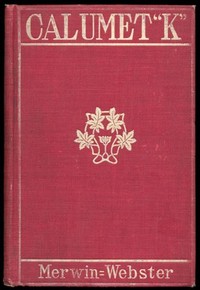
Calumet 'K' by Samuel Merwin and Henry Kitchell Webster
Published in 1901, Calumet 'K' is a novel that turns industrial ambition into a page-turner. Forget spies or detectives; the hero here is a construction superintendent.
The Story
Charlie Bannon is a no-nonsense, get-it-done kind of man hired to build a massive grain elevator for the Calumet K milling company. The catch? He has an absurdly short deadline to complete it before the new harvest comes in. If he fails, the company loses everything. The story follows Bannon as he battles one obstacle after another: a scheming rival contractor named MacBride who uses dirty tricks to delay him, unreliable railroad shipments, brutal Midwestern storms, and a constant shortage of materials and manpower. The entire plot is the build. We see him hustle, improvise, motivate his crew, and outthink his opponents. The climax isn't a gunfight, but the frantic, final push to complete the structure as the first grain train approaches.
Why You Should Read It
What makes this book special is its energy. It’s a celebration of competence and hustle. Bannon isn't a superhero; he's just incredibly good at his job and refuses to quit. Reading it, you feel the grit and grease of the construction site. The authors make you care deeply about something as mundane as a shipment of bent steel rails. It’s a surprisingly tense and satisfying read because the stakes are so clear and the hero’s ingenuity is so real. It’s also a fascinating snapshot of America's industrial age, showing how things actually got built, long before modern technology.
Final Verdict
This is a perfect pick for anyone who loves a good procedural, enjoys historical fiction without the frills, or simply appreciates a story about a person who is excellent at their work. If you liked the technical details in The Martian or the relentless drive in Unbroken, you'll find a similar spirit here. It's a hidden gem that proves a great story doesn't need magic or murder—sometimes, a hard deadline and a stubborn hero are all you need.
This book is widely considered to be in the public domain. You can copy, modify, and distribute it freely.

Mark White
1 year agoThis is one of those stories where the content flows smoothly from one chapter to the next. A valuable addition to my collection.